How I Made a Recipe E-book with AI in One Afternoon (and Where I Sell It)
For three years, "make a recipe e-book" sat on my to-do list right under "clean the oven". I had the recipes. Customers kept asking for them. But every time I opened a blank document, I remembered how long my first little PDF took: three weekends of typing, formatting, re-formatting and fighting with page breaks.
This autumn I finally did it, in one afternoon, between a birthday cake order and school pick-up. Here is exactly how I made a recipe e-book with AI, which parts I did myself, and where I sell it. That last part matters more than ever, because Etsy changed its rules for AI recipes in October 2026.
TextBuilder and PhotoGuru are made by people I work with, and links to them are partner links. More on my disclosure page.
What I made
A 38-page PDF called Small-Batch Cupcakes for Two: an introduction to small-batch baking, the tools you need, how to halve and quarter recipes without ruining them, 16 of my own cupcake and frosting recipes, a troubleshooting chapter and a printable shopping list. It sells for $7.
Why small-batch? Because there are hundreds of big "100 cupcake recipes" bundles out there, but very few guides for people who live alone or just don't want 24 cupcakes on the counter. A narrow niche is much easier to be found in.
Who did what
I want to be clear about this, because it is exactly what the new rules are about:
- Me: all 16 recipes (developed and baked in my kitchen over the years), every measurement, the photos of the finished cupcakes, my stories and tips, and the final edit.
- TextBuilder: the book plan, the chapters on tools, scaling and troubleshooting (which I checked and edited), the cover, the illustrations and the formatting.
My afternoon, step by step
| Step | Tool | Time |
|---|---|---|
| 1. Check the idea | Amazon, Pinterest and Etsy search | 20 min |
| 2. Generate the book | TextBuilder | about 1 hour (mostly waiting) |
| 3. Add my recipes and edit | Word export | 1.5 hours |
| 4. Photos and mockup | My phone + PhotoGuru prompts | 30 min |
| 5. Publish | Payhip and Amazon KDP | 30 min |
That is about four hours of real work, because the recipes were already tested. If you need to test new recipes, give yourself a few extra baking days. That part should never be skipped.
Step 1: Check the idea (20 minutes)
I typed a few phrases into Amazon's Kindle store, Pinterest and Etsy: "small batch recipes", "cupcake recipe ebook", "baking for two". I was looking for three things:
- People are searching for it (Pinterest and Amazon suggestions are a free hint).
- Similar books have reviews, so people do buy them.
- The top results look a bit tired, so a pretty, well-written guide can stand out.
Step 2: Let TextBuilder build the book (about 1 hour)
This is the step that used to take me weekends. In TextBuilder I picked the Step-by-Step How-To format, then typed my idea in a couple of sentences: a friendly guide to small-batch cupcakes for one or two people, for beginner home bakers, warm and encouraging tone.
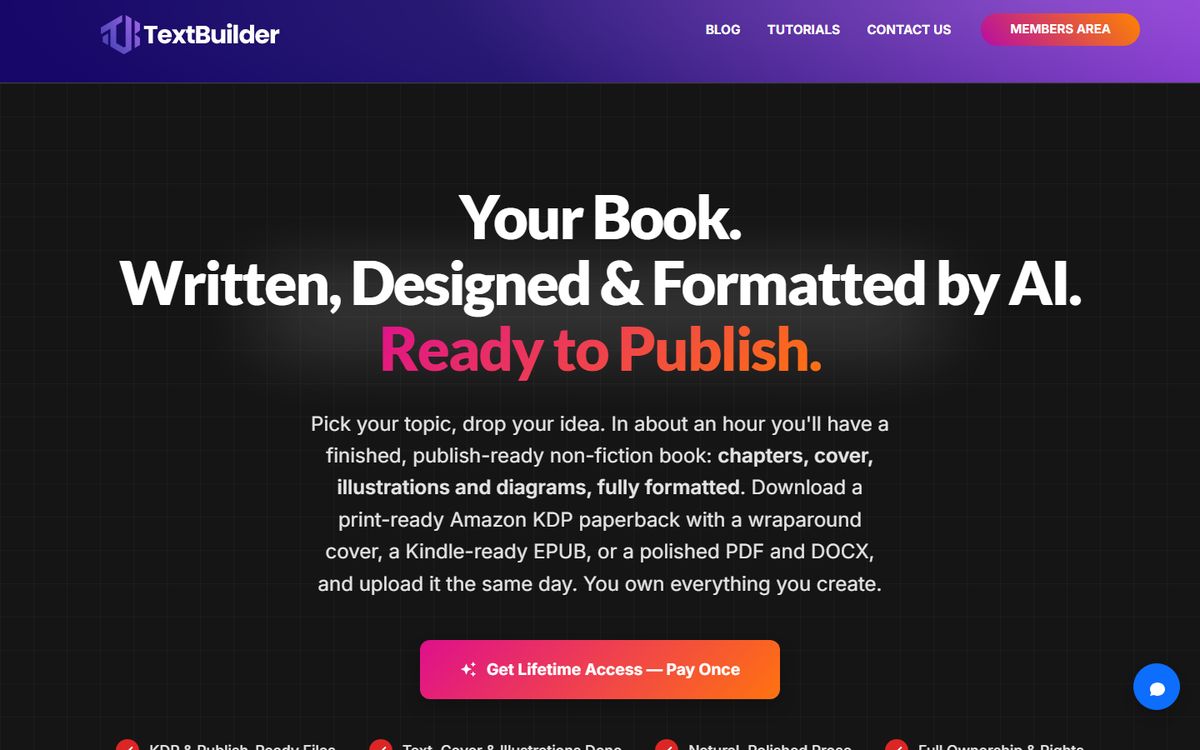
TextBuilder suggested a few titles (I kept one almost as it was), planned the chapters and wrote the book. It also designed a cover and added simple illustrations and a diagram on scaling recipes, which I would never have drawn myself. While it worked, I frosted a dozen cupcakes for an order. When I came back, it was done: a properly formatted book with a title page, a copyright page, a table of contents and clean chapters. I downloaded both the PDF and the Word (DOCX) version.
Step 3: Make it really mine (1.5 hours)
This is the step that turns "an AI e-book" into my e-book, and I would never skip it.
- I replaced the recipe section with my own tested recipes. The chapters on technique, tools and troubleshooting were genuinely good, but recipes are something you must bake yourself. A buyer who gets a flat cupcake will not come back. I opened the Word file and pasted in my 16 recipes, written the way I actually make them.
- I added my stories. Why I started baking small batches, my grandmother's tip about room-temperature butter. These personal bits are what reviews mention.
- I checked every measurement and temperature in the parts I kept, and added both cups and grams.
- I added a printable shopping list as the last page. Buyers love a bonus.
Then I saved it as a PDF again and opened it on my phone, because a lot of buyers read on a small screen.
Step 4: Photos and mockup (30 minutes)
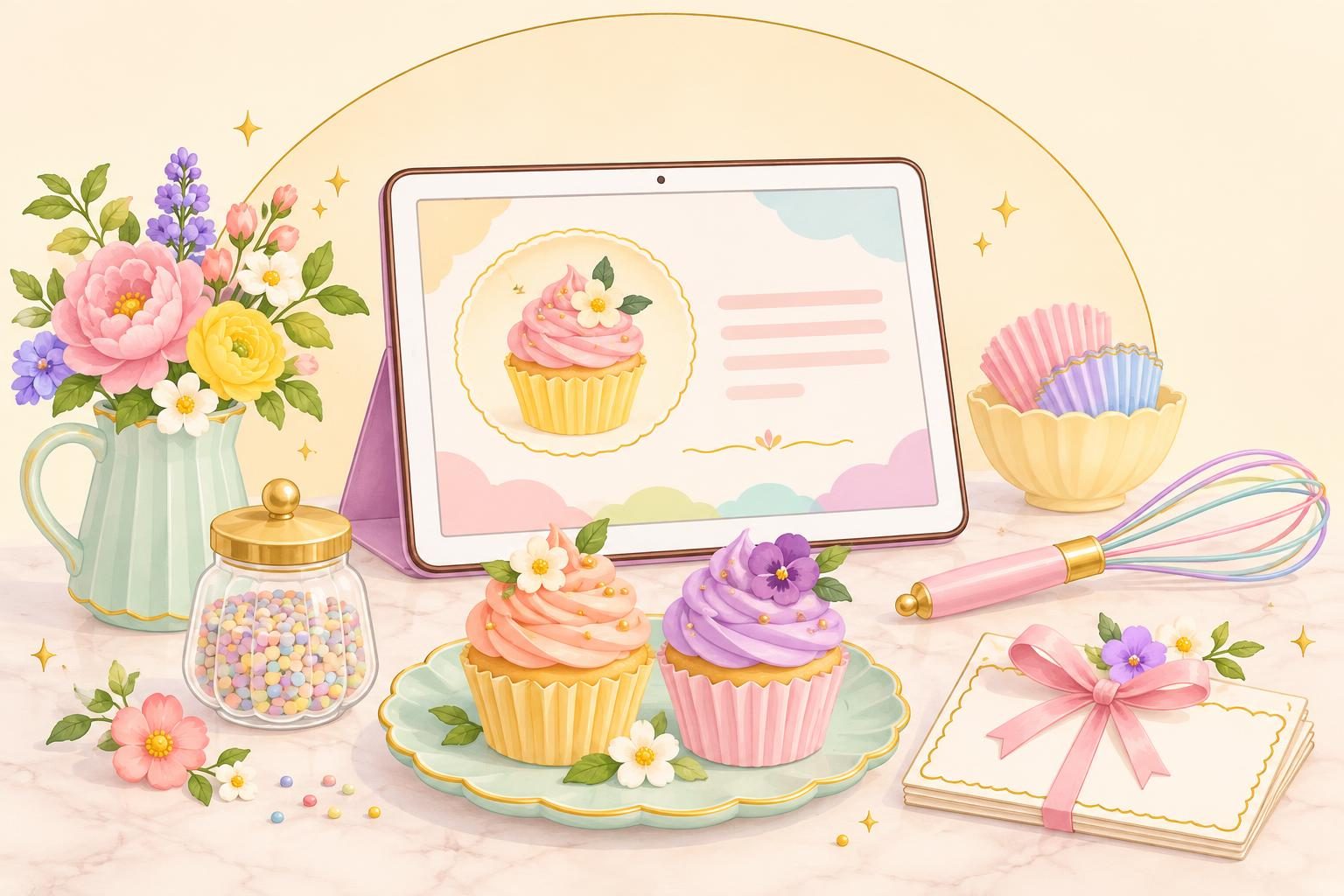
For each recipe I used my own phone photos of the real cupcakes, taken by the kitchen window. Real results build trust, and some platforms now ask for them (Etsy requires real results for recipe guides). For the shop image I wanted the book on a tablet next to a plate of cupcakes, so I used a mockup prompt from PhotoGuru in ChatGPT. I also made a "what's inside" image with a few pages side by side.
Step 5: Publish (30 minutes)
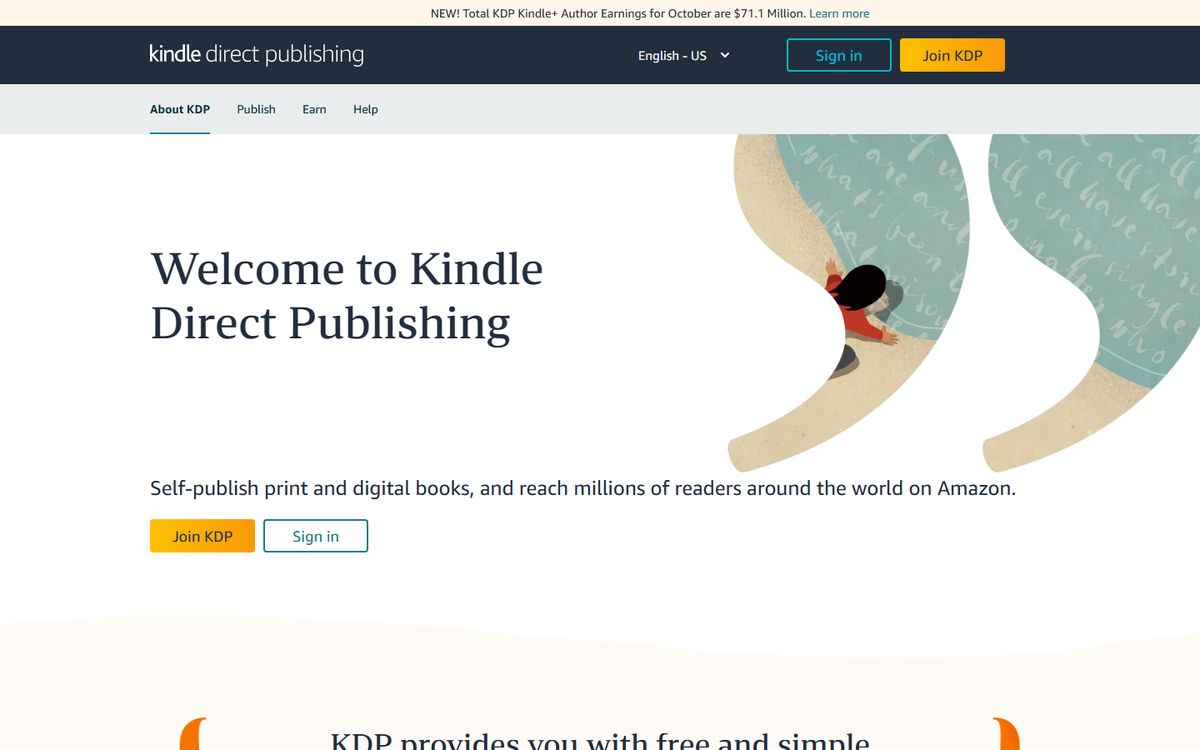
I sell the PDF on Payhip, a simple shop for digital downloads with a free plan, and link to it from this blog and from Pinterest. I also published a Kindle version on Amazon KDP. KDP allows AI-generated content, but you must say so when you publish; because TextBuilder wrote parts of the text and the cover, I ticked "yes" (see the KDP content guidelines).
My listing checklist for both:
- Title starts with what people search for: "Small Batch Cupcake Recipes: Baking for Two".
- Description: what is inside, page count, file type, and that it is an instant download.
- An honest note: "All recipes are my own and tested in my kitchen. AI tools helped me with the layout, cover and some of the guide chapters."
- Price: $7. Starting a little lower helps get the first reviews.
Why it's not on Etsy
Etsy was my first shop and I still love it. But in October 2026 Etsy stopped allowing AI-generated functional guides, which includes recipes and instructions, and asked sellers to show real results made with the guide (see Etsy's announcement and Retail Dive's report). My recipes are my own, but parts of the book were written by AI, and Etsy hasn't said where the line is. I'd rather not risk my shop, so this book lives on Payhip and Amazon.
On Etsy I sell things I make by hand in Canva: printable recipe cards I write myself, and party printables. If you have a recipe book that is 100% your own writing, Etsy is still an option; just follow the new rules and show real photos of your bakes.
What I would do differently
- Type up my recipes first. I spent half of step 3 hunting through my notebook.
- Make a bundle. TextBuilder made it so easy that I could have made a second book (small-batch cookies) the same week and sold them as a set.
- Make Pinterest pins on day one. My first sale came from a pin.
Can you do this without being a baker?
Yes, as long as you pick a topic you really know. The same steps work for a meal prep guide, a gardening guide or a knitting basics book. TextBuilder writes the structure and the explanations; you bring the experience and test the practical parts. For more ideas, see the digital products you can make with AI and where to sell each one, and the full list of AI tools I use.
My e-book sat on my to-do list for three years and took one afternoon. Yours is probably closer than you think.